NAWM LOGO FINAL BIG

 
National Association of Wetland Managers
Protecting the Nation's Wetlands


Open menu
  • NAWM
    • About NAWM
      • Staff
      • Board of Directors
      • NAWM Committees
    • Donate to NAWM
    • Sponsorship Opportunities
    • Volunteer
    • NAWM Events
      • 2026 Annual Meeting
      • 2026 Annual Meeting Materials
      • 2026 Annual Meeting Sponsors
      • Calendar of Events
    • NAWM Members (Login Reg.)
    • - Newsletter
    • -Insider's Edition
    • Doing Business With NAWM
  • Webinars & Trainings
    • NAWM Webinars
    • NAWM’s Online Trainings
    • NAWM In-Person Trainings
  • Publications
    • Wetland News Digest
    • NAWM Publications
  • Science
    • About Wetlands
    • Wetlands One-Stop Mapping
      • National Data Sets & Information
      • LLWW Data & Information
      • LLWW Classification
      • LLWW Reports
      • Wetland Functional Assessment
      • Funding for Wetland Mapping
      • Wetland Mapping Consortium
      • State Wetland Mapping Summaries
    • Monitoring and Assessment
      • - Indicators
      • - National Wetland Condition Assessment
    • Wetland Restoration
      • Planning & Design
        • Ecosystem Service Valuation
      • Hydrology
      • Soils
      • Plants
      • Monitoring & Performance Standards
      • Adaptive Management
    • Invasive Species
    • Wetlands & Climate Change
    • Watersheds
    • - Natural Floodplain Functions Alliance
    • - Beaver-Related Restoration
  • Wetland Programs
    • Mentorship Program
    • MAWWG-NEBAWWG
      • MAWWG Overview
      • MAWWG-NEBAWWG Meeting Materials
      • MAWWG-NEBAWWG Meeting 2024
    • EPA Core Elements Framework
      • Wetland Program Plans
      • Monitoring and Assessment
      • Regulation
        • 401 Certification
        • State Programmatic General Permits
        • 404 Assumption
        • Dredge & Fill
        • Oil and Gas Pipeline Permitting
        • Compensatory Mitigation
      • Water Quality Standards for Wetlands
      • Voluntary Restoration & Protection
    • State Wetland Programs
      • State Program Summaries
      • Sustainable Financing
      • State Wetland Program Plans
      • State Wetland Status and Trends Reports
    • Tribal Wetland Programs
      • EPA Core Elements Framework and Wetland Program Plans
      • Wetland Program Funding
      • Education and Outreach
      • Wetland Mapping Tools
      • Tribal Clean Water Act Programs
      • Region 5 Tribal Wetlands Working Group (TWWG)
      • Webinar Recordings and Training Resources
      • Calendar of Tribal Wetland and Water Resource Training Events
    • Federal Wetland Programs
    • Local Wetland Programs
  • Law & Policy
    • NAWM Policy Documents
    • Clean Water Act
      • Clean Water Act Section 401 Water Quality Certification
      • Waters of the United States
  • Jobs Board
  • DONATE

Beaver-Related Restoration

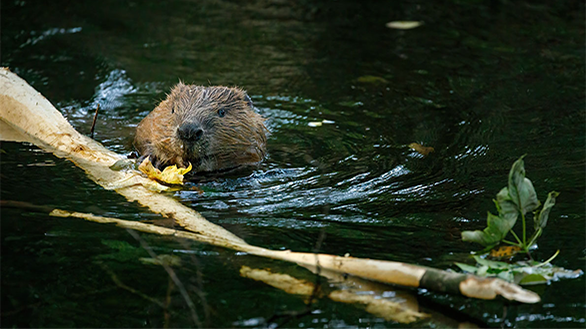
Reintroduction of beavers and the use of beaver mimicry are techniques increasingly being employed to accomplish stream, wetland, and floodplain restoration. By constructing dams that impound water and retain sediment, beaver (or beaver biomimicry projects) substantially alter the physical, chemical, and biological characteristics of the surrounding river ecosystem. These restored systems create new, more complex habitat in degraded systems and provide greater benefits to plants, fish, and wildlife. 
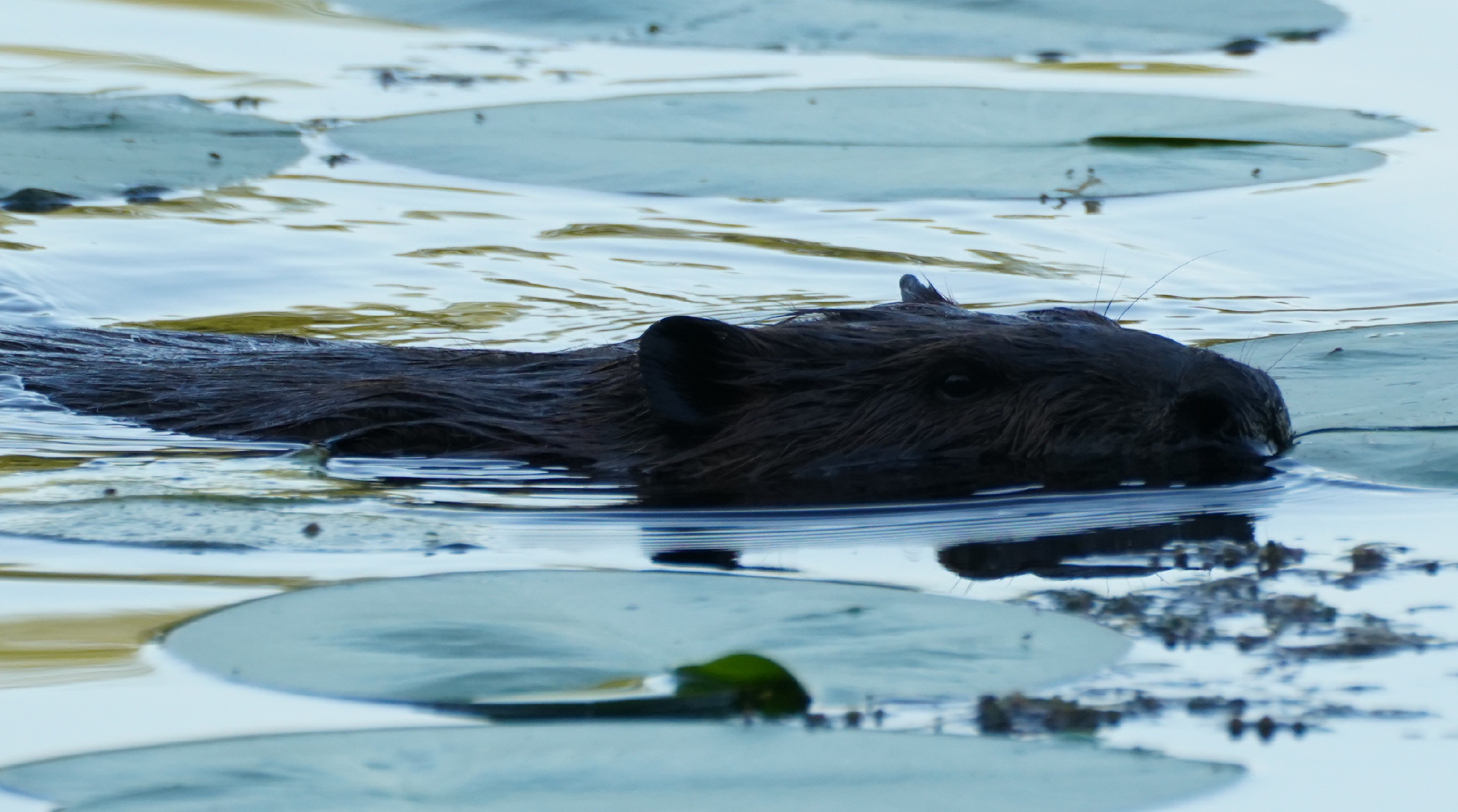
Beaver-Related Restoration Webinars and Training Modules

The National Association of Wetland Managers (NAWM) and the Bureau of Land Management (BLM) have developed a series of webinars and associated learning modules introducing the topic of restoration of aquatic ecosystems through the reintroduction of beavers, the use of beaver dam analogues (BDAs) or restoration designed to attract beavers to an area to contribute to changing hydrology and restoring ecosystem services. Learn about the 2025-2024 webinars and training series.
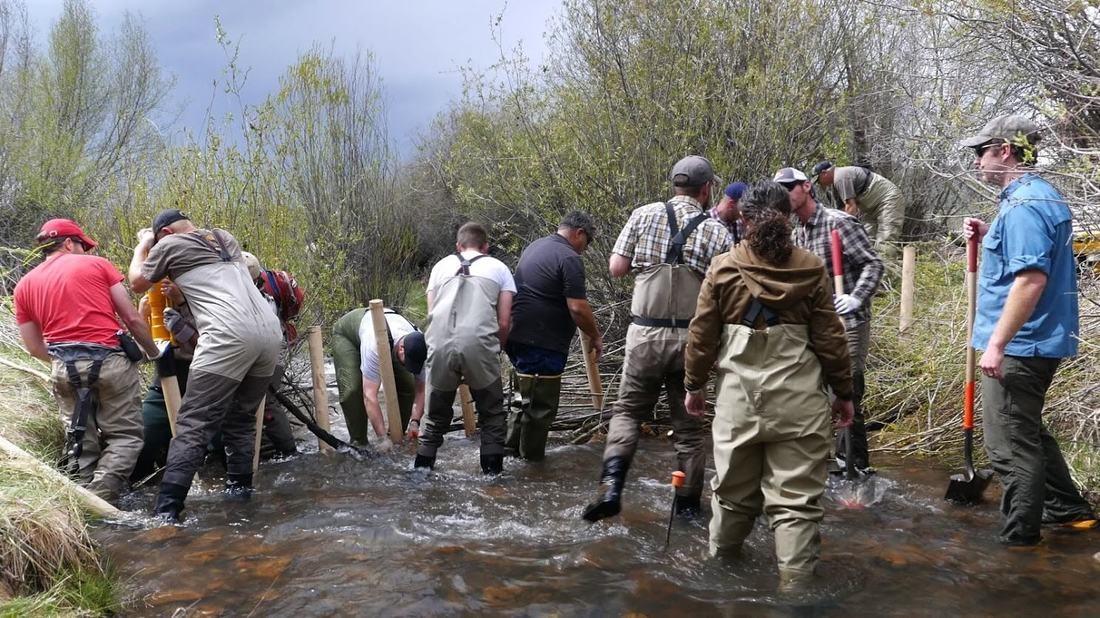
Training and Guidance on Process-Based and Beaver-Related Restoration Techniques

A growing literature exists to support professionals and researchers exploring the effectiveness of beaver-related restoration activities. List of useful beaver-related restoration guides, handbooks, webinars, training modules and literature compilations.


Beaver-Related Restoration National Dialogue Summary Report

NAWM and BLM collaborated in 2020-2021 to gather information from beaver restoration professionals on experiences, questions, and needs encountered while undertaking beaver restoration projects. The resulting national dialogue report on beaver-related restoration identifies successful strategies, areas of common need, and beneficial resources to support future planning and restoration activities. Read the report.
Case Studies in Permitting Beaver-Related Restoration

Low-tech process-based restoration (LTPBR) strategies have been surging in popularity among the river restoration and beaver restoration communities, however, the regulatory and permitting framework still needs to catch up. While some states and communities are moving to pilot new permitting processes to facilitate LTPBR, the current policy landscape is a patchwork of regulations that vary from jurisdiction to jurisdiction. This paper provides examples from a variety of states that have existing regulations covering beaver coexistence, beaver relocation, and beaver mimicry to highlight possible pathways for other states to adopt. Read the report.


NAWM | Webinars & Trainings | Publications | Science | Wetland Programs | Law & Policy | Jobs | Donate | Join | LogIn

National Association of Wetland Managers
500 Washington Avenue, Suite 201 | Portland, ME 04103 | Phone: 207-892-3399 

Non-Discrimination Policy: The National Association of Wetland Managers does not discriminate in employment opportunities or practices because of race, color, religion, sex (including pregnancy, gender identity, and sexual orientation), national origin, age disability (including vision or hearing), or any other status protected by law. Read more.
 
NAWM is a 501(c)(3) charitable organization.
How to Use this Website | Sitemap | 
Copyright © 2026. All Rights Reserved.
 

1 For the Planet 1 For the Planet


gsanawmcontract